In modern electric cranes, stable and uninterrupted power and signal transmission to rotating parts is crucial. JINPAT LPA series high-current slip rings are specifically designed to meet the demanding operating conditions of such heavy-duty equipment. Thanks to several advanced technologies, they are a key component in ensuring the efficient, continuous, and intelligent operation of cranes.
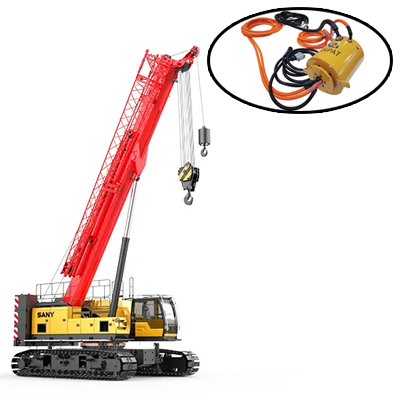
Core Advantages: Comprehensive Solutions for Harsh Environments
The LPA series slip rings feature a high-strength alloy housing structure, making them robust and durable with excellent heat dissipation. The fully sealed design provides an IP67 protection rating, making them impervious to outdoor dust, moisture, and splashing water, ensuring long-term stability of the internal core components.
In terms of electrical performance, this series supports stable transmission of ultra-high currents ranging from hundreds to thousands of amperes, meeting the power requirements of the crane's main mechanisms. Furthermore, the critical conductive rings utilize precious metal contacts such as gold and silver, resulting in extremely low contact resistance and preventing oxidation, thus fundamentally guaranteeing the stability of power and signal transmission and eliminating sparks and interruptions.
In addition, the LPA series integrates Gigabit industrial Ethernet signal channels within a compact space, providing a high-speed, zero-latency data link for intelligent control, sensor data, and video surveillance of the crane. This is the underlying foundation for achieving equipment automation and remote management.
Summary
The JINPAT LPA series slip rings, by integrating five core technologies—IP67 protection, ultra-high current carrying capacity, robust alloy structure, high-speed Ethernet integration, and precious metal contacts—provide an all-weather, maintenance-free rotating connection solution for electric cranes. It is not only a bridge for transmitting energy and signals but also a reliable cornerstone for enhancing the overall competitiveness of modern cranes and ensuring their safe and efficient operation.