How to Choose the Right Industrial Slip Ring for Harsh Environment Applications
2026-07-03 10:30 by
- Share
-

-

-

-

-

In harsh environments such as oil & gas fields, offshore platforms, mining sites, and desert industrial
zones in the Middle East, selecting the right industrial slip ring is critical to ensure stable power and
signal transmission.First, consider environmental protection level. Dust, sand, high temperature, and
humidity require slip rings with IP65 to IP67 protection. Anti-corrosion materials and sealed housing
are essential for long-term reliability.
Second, evaluate electrical requirements. Check current capacity, voltage level, and signal types such
as Ethernet, CAN bus, or sensor signals. For complex systems, hybrid slip rings combining power and
data transmission are recommended.
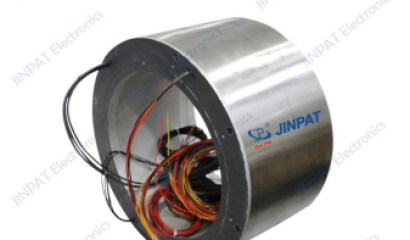
Third, focus on mechanical structure. Heavy-duty equipment like cranes, drilling rigs, and port machinery
often require through-bore slip rings with strong vibration resistance and stable rotation performance.
Fourth, consider temperature resistance and durability. Middle East environments often exceed 50°C, so
high-temperature-resistant brushes and stable contact materials are necessary to reduce wear and failure risk.
Fifth, choose between standard and customized solutions. For engineering projects in oil, gas, and marine
industries, custom slip rings (OEM/ODM) provide better performance and longer service life.
In conclusion, selecting the right slip ring for harsh environments ensures stable operation, reduces
downtime, and improves overall system efficiency in demanding industrial applications.